

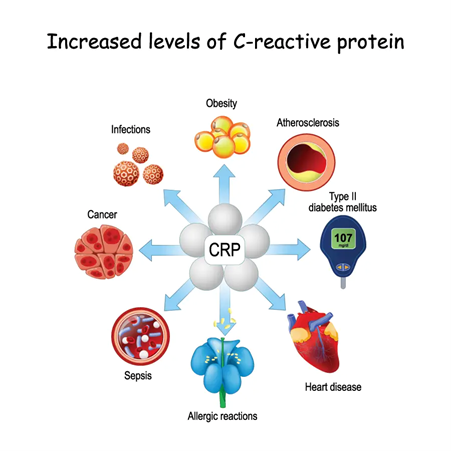
Inflammation is our natural and necessary response to injury or infection. But sadly, it also comes with some negative consequences. Particularly, chronic inflammations after a period can silently fuel diseases ranging from heart conditions to autoimmune disorders. All these responses are steered by a molecule that we are not very familiar with. It is called C-Reactive Protein, or CRP.
CRP is the index for medical professionals to assess the presence and intensity of inflammation in our body. An understanding about how to manage CRP levels is a vital information when you target for your long-term health.
C-Reactive Protein is produced by our liver. These are released into our bloodstream as a response to inflammation. It is a part of our body’s inbuilt immune mechanism that responds defensively against any undesirable changes in our body. At the cases of tissue damage or events of infection, CRP levels shoot to act as an internal alarm system.
Even though it may sound like a good thing (and it can be likewise often), high CRP levels prevalent for a long period is a problematic signal. These could be persistent, low-grade and chronic inflammation that can damage your tissues and organs over time. From the proverb “there is no smoke without fire” – we may think of CRP as the smoke that does not tell us where the fire is; i.e the inflammation exists but we do not know where and why.
CRP is basically measured to detect inflammation in the body. As produced and released by the liver, C-reactive protein levels can abnormally increase in response to a new inflammation caused by infection, injury, or chronic disease. This is a part of our body’s immune response, and CRP as a standalone is never a problem. It is an indicator that signals something is going on internally and we must recognise its source as early as possible.
Does this sound like a litmus test that we used to do in schools? Smart! It is a wise perception to look at CRP this way. CRP simply indicates that our body is responding to something. Also, sometimes CRPs are done by clinicians to get a broader understanding of how one’s body is reacting to both acute and chronic conditions. This is why you come across CRP in some routine check-up or full body checkup.
The CRP blood test is a relatively simple and straight procedure. It measures the concentration or rather density of the C-reactive protein in our blood. It is typically expressed in milligrams per litre (mg/L). According to what our healthcare provider is aiming to know, we might undergo a standard CRP test or an upgraded high-sensitivity version of the test.
Standard CRP vs. High-Sensitivity CRP (hs-CRP)
The doctor determines the version of the test that is most appropriate for you based on your symptoms, medical history, and the objective of the test. For a quick view, the standard CRP test helps diagnose acute inflammation or some infections whereas the hs-CRP test has a specific-nuanced role to evaluate our long-term cardiovascular health.
Same like our litmus test, the CRP blood test is also simple and quick. It usually get done in under 10 minutes.
What to Expect: (No shocks!)
This process is very similar to other regular blood tests. After the blood sample is collected, the analysis occurs in a laboratory where technicians measure the amount of CRP present in your blood. The level of discomfort with the tests is usually minimal.
It is important to note that interpreting the results of CRP test requires context. A slightly elevated CRP doesn’t always mean something is wrong, but a significantly higher level is indicative of a major health concern.
What Your Results Might Indicate:
CRP values are best understood not in isolation but in relation to other clinical findings such as your symptoms, scan reports or other lab results. Your doctor will consider your comprehensive health before making a diagnosis.
The standard ranges for CRP levels have remained relatively similar, but the increased use of hs-CRP testing and some access to granular diagnostic tools in have increased the precision of our interpretation.
A sample scale of reference to help you understand the ranges of CRP level.
| CRP Level | Interpretation |
|---|---|
| Less than 1 mg/L | Shows low risk of inflammation or heart disease |
| 1–3 mg/L | Mild inflammation or even moderate cardiovascular risk |
| 3–10 mg/L | Moderate inflammation, possibly because of an infection or chronic disease |
| 10–100 mg/L | Significant inflammation. It could indicate an acute infection. |
| Over 100 mg/L | Serious and severe infection, occurrence of trauma, or some systemic inflammatory disease |
It is very much possible that CRP levels can fluctuate rapidly. For example, after a viral infection, your CRP may shoot up and then return back to normal within a couple of days. A repeated testing might be required for accurate monitoring. It is a common recommendation from the doctor.
High CRP levels are warning signs for a serious or systemic inflammation. Yes, your body is flagging it red! But, this does not convey if your body has an injurious or life-threatening illness. It is giving the signals that the immune system is in a heightened state of alert. It just demands your attention.
Possible Conditions Related with High CRP:
Higher levels of CRP are linked with various health conditions. But they don’t provide any specific evidence of a particular problem. More tests and clinical assessments are necessary for an accurately informed diagnosis.
A lot of factors can lead to your CRP levels being high. These can range from simple incidents of acute infections to potentially harmful medical conditions.
A case study – Insightful about your CRP
In one recent study conducted in 2026, it is analysed that the level of CRPs in our body also have linkages with the gut microbiome imbalances, harmful air pollution, and even to the sleep disorders. Chronically persistent low-level inflammation, often termed “inflammaging,” is now developed as a critical factor in diagnosing age-related diseases and cognitive malfunctioning.
If the higher levels of CRP from your recent blood tests are bothering you, there are actionable steps to lower the same. To lower your CRP levels, especially if chronic inflammation is induced by lifestyle factors it is definitely something you can witness the results soon! (Sooner as you thrive with consistency)
Diet is directly linked with managing inflammation. Along with a lot of new-gen diets, some clean and anti-inflammatory diet suggestions are the Mediterranean diet, DASH diet, and plant-based or vegan eating styles.
Foods that help reduce CRP:
Foods to limit:
This is a no-excuse zone. It is mandatory to have a routine that does not compromise on moderate-intensity physical activity, such as brisk walking, yoga, or cycling. These activities have shown to reduce CRP over time. Kindly aim for at least 150 minutes of activity per week. You need regular exercises to help maintain a healthy weight and boosts circulation which will in turn reduces the levels of inflammatory indices in your body.
In 2026, the connection between visceral fat and CRP levels is very clear. Even some amount of modest weight loss (5–10% of body weight) can significantly contribute to reducing inflammation indicators.
Losing excess weight definitely reduces the burden on organs like the liver, improves metabolic function, and enhances the immune response. All of these directly contribute to a healthier inflammatory profile. Just be careful not to lose your muscle weight. Target only the excess weight, and in case of you needing a massive weight loss, you must make sure to consult a fitness trainer.
Chronic stress contributes to increased levels of CRP. There are techniques such as mindfulness meditation, cognitive behavioral therapy (CBT) and even digital mental health apps making your access to mental wellness conveniently and effectively. Adopting effective stress management and strategies to remain relaxed can lower the levels of CRP. After all, it is a fundamental requirement to improve the overall quality of your life.
Sleep disruptions, disturbances and poor quality of sleep can spike CRP. Aim for 7–9 hours of high-quality sleep each night. If you have insomnia or any sleep related issues, you should seek professional support. Even snoring can affect the quality of your sleep. These steps are crucial for reducing inflammation and promoting recovery after extreme stress.
Cigarettes, smoking and any forms of tobacco use has a well-established trigger for inflammation. Reducing or at the best, quitting smoking is a necessary self-care you can choose for yourself. Besides watching for your nicotine intake, limit alcohol consumption to a minimal or moderate level.
Several supplements are commonly studied for their potential to lower CRP levels. I hope you will confirm your need to intake these supplements only after consulting a dietician, nutritionist or a doctor. For your information, some list of helpful supplements are given below.
There is no harm in seeking some of these supplements from their natural form. Like the sardines fishes rich in Omega-3 fatty acid, some good sunlight and hung-curd for probiotics are good to go. Please watch out if you choose to have probiotic drinks, any magnesium booster or even consume turmeric higher than the recommended quantity. Why take the risk? Let’s just get it consulted!
A lot of things have changed as we reached 2026 but the healthcare still maintains their strong emphasis on CRP testing. This test withstands its importance in the field of early diagnosis and prevention. CRP blood tests help us in identifying the hidden risks and often serious health casualties such as heart disease or autoimmune disorders. Since CRP tests provide this information to us before the disorders progress into full-blown conditions, C-Reactive Protein tests have a dominant role in regular health check-ups and routine screenings.
As you are now aware of the body inflammations, our harmless CRP tests and suggested ways to maintain low CRP levels in your blood- you have reached the first milestone in your journey towards preventive health. Take the right steps in your personalized healthcare. And, this definitely include balanced diet, regular exercise, stress reduction and good sleep; paired with preventing health monitoring.
Convenient Tests right at your Doorstep!


86, Kargi – Patel Nagar Bypass, near Palm City, Adarsh Vihar, Brahmanwala, Dehradun, Uttarakhand 248001
1, Maharani Bagh Lane, Ballupur Chowk, Ashirwad Enclave, Ballupur, Dehradun, Uttarakhand 248001
1, Chakrata Rd, near Rohan Motors, Selakui, Central Hope Town, Uttarakhand 248011
F-7, Haridwar Road Nehru Colony Dehradun, Uttarakhand 248001 India
Leave a Comment