

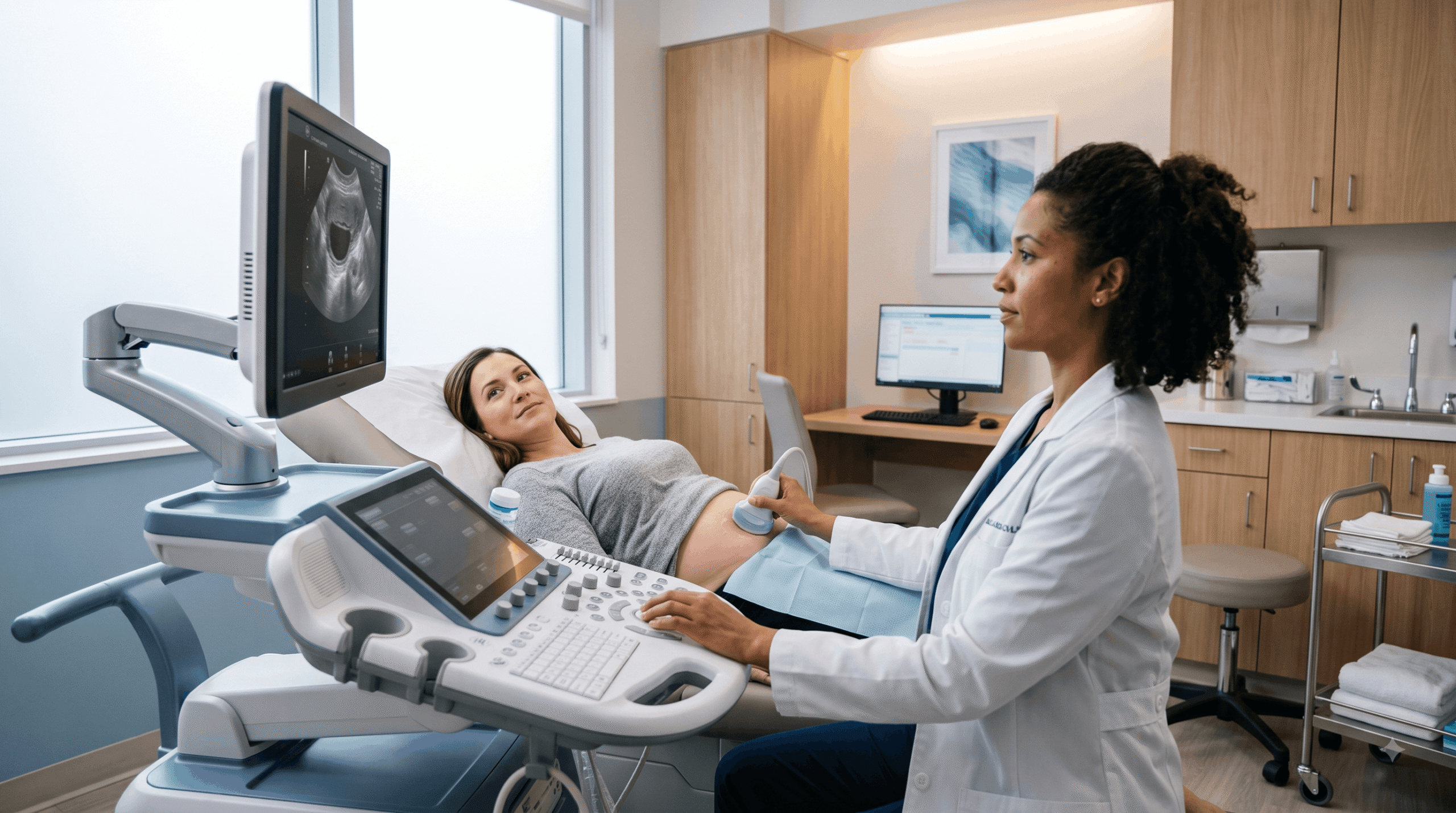
Pelvic discomfort or changes to the menstrual cycle are something many females will experience occasionally. While some of the symptoms may not signal anything serious, some of the symptoms may indicate the presence of a medical issue. Often symptoms are commonly disregarded, whether it is because they seem insignificant or because they seem like a normal occurrence due to important changes like aging.
The pelvic ultrasound is an important test used to create images of the female reproductive organs. It is one of the safest and most effective imaging tests. It works towards determining what the problem behind the symptoms is. Knowing the importance of using this method helps in making better steps in order to increase the odds of keeping one’s reproductive health safe.
A pelvic ultrasound uses very high frequency sound waves to examine the organs in the pelvis, is a painless imaging test that produces high-quality images of the organs in the pelvic cavity. Age, symptoms, and medical history influence whether the ultrasound is done using the abdomen (trans-abdominal ultrasound) or through the vagina (transvaginal ultrasound).
The test is safe as it contains no radiation and can help in diagnosis of pelvic pain, menstrual disorders, pregnancy issues, infertility, and many gynecological diseases.
For many doctors, one of the reasons they suggest pelvic ultrasonography is when patients complain about experiencing constant or unknown pelvic pain. This type of pain could be ongoing or episodic and can vary from ‘just’ mild ache till severe cramps prohibiting the person from performing his/her everyday tasks.
The causes of pelvic pain could be the presence of ovarian cysts, fibroids, endometrial tissue, pelvic inflammation, etc. In some cases, the source of pain could be established in the surrounding organs like the bladder or the intestines. The ultrasound will show if the pelvic pain has to deal with the reproductive system and will help in defining the treatment measures.

Menstruation can be different from woman to woman and should never go unnoticed if heavier than usual, long-lasting, bleeding between cycles, or irregular cycles.
Bleeding that is not related to a normal cycle can indicate conditions such as fibroids, polyps, adenomyosis, hormonal imbalance, or other forms of uterine abnormality. The use of ultrasound on the pelvic area allows the doctor to see the uterus and ovaries and find out the cause.
Some discomforts and pain may happen during menstruation, but extreme pain may indicate that this is something more serious than just regular menstruation.
Endometriosis, adenomyosis, fibroid tumors are among the diseases that can cause severe menstrual pain and require a pelvic ultrasound to evaluate the condition and look for abnormalities elsewhere.
Bloating can happen from time to time but continuous swelling in the stomach or sense of fullness must be properly checked by a doctor if it persists over weeks.
Swelling in the belly may be caused by enlarged ovarian cysts, uterine fibroids, pelvic masses, or fluid collection. Although bloating may not always be a sign of very serious problems, it is important to conduct imaging tests to determine if the investigation should be performed.
Pain while having sex should not be regarded as a normal occurrence, since it may occur due to a number of gynecological issues, including endometriosis, pelvic infection, ovarian cysts, fibroids, or abnormalities in the reproductive organs.
A pelvic ultrasound is one of the most important techniques in evaluating fertility for couples. The procedure helps in the evaluation of the uterus, ovaries, and endometrial lining as well as in detecting other factors that may hinder successful conception.
Using this method, the medical personnel can find fibroids, cysts, congenital abnormalities of the uterus, and problems caused by polycystic ovary syndrome (PCOS). Early detection of these issues helps physicians provide adequate treatment.
The ovaries are critical to the health of women’s reproduction, but lots of ovarian diseases take place without clear symptoms in their initial period.
A health care provider may order ultrasound examination if a woman has:
Ultrasound helps see ovarian cysts enlarged ovaries, non-cancerous growths, and some other medical issues that require further examination.
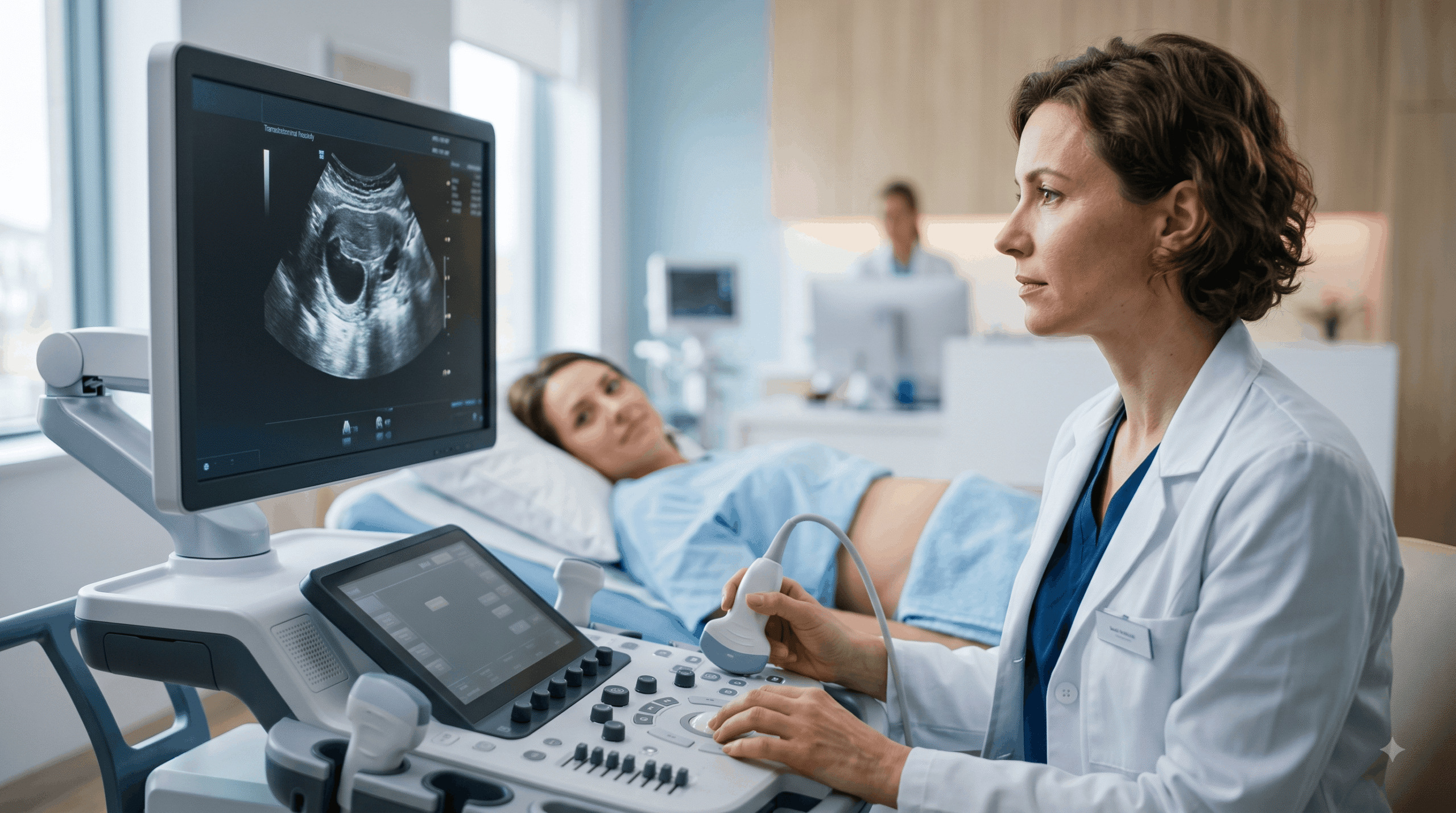
All cases of vaginal bleeding after menopause should be evaluated by the physician. Though the cause is likely to be harmless, postmenopausal bleeding can still reveal the presence of endometrial issues or other conditions that should be investigated without delay.
A pelvic ultrasound will allow for the thickness of the endometrium to be determined and the presence of any physical abnormalities in the urethra or ovaries be detected. This early evaluation is vital for accurate diagnosis and effective treatment.
Pelvic ultrasound is also a useful diagnostic tool during the early stages of a pregnancy. The method will confirm the fact of pregnancy, determine its duration, and analyze the womb’s symptoms, including pain and bleeding.
Women should contact the physician if they have abdominal pain, bleeding disorders, or problems in their pregnancies.
A pelvic ultrasound is considered an easy, relaxing, and non-painful test. In the process of performing a transabdominal ultrasound, the lower belly is lubricated with water-based gel, and the ultrasound machine is passed above the abdomen.
Sometimes, if additional examinations are required, a transvaginal ultrasound is performed, which allows making closer images of the pelvic organs and is done with the patient’s permission and clinical requirement.
The procedure itself lasts from 20 to 30 minutes, and in most cases, patients may continue with their daily life right afterward.
It is easier to treat many pelvic problems if diagnosed early. Delaying any medical assistance can cause some conditions to worsen and lead to chronic pain, infertility, and more complicated treatment options.
A diagnosis allows a doctor to determine what is causing the symptoms and recommend treatment, treat existing problems, and calm down a patient if no serious disorder is found. Timely intervention in a medical condition provides patients with answers when they need them and prevents unnecessary worries about their health.
Women’s health is important at all ages. Symptoms that are happening in your body should not be ignored. Conditions such as chronic pelvic pain, irregular menstruation, unexplained abdominal swelling, or difficulties with getting pregnant justify the visit to a health care professional.
Pelvic ultrasound is a reliable diagnostic test. It is a safe investigation, which assists the doctor in identifying many gynaecological disorders of the patient and providing efficient treatment. If your doctor is recommending you this test, make sure that you go to a trustworthy diagnostic centre. Aarna Diagnostic Centre provides advanced pelvic ultrasound services with experienced radiologists and high-quality imaging, helping patients receive accurate diagnoses while supporting compassionate and informed healthcare.
Convenient Tests right at your Doorstep!


86, Kargi – Patel Nagar Bypass, near Palm City, Adarsh Vihar, Brahmanwala, Dehradun, Uttarakhand 248001
1, Maharani Bagh Lane, Ballupur Chowk, Ashirwad Enclave, Ballupur, Dehradun, Uttarakhand 248001
1, Chakrata Rd, near Rohan Motors, Selakui, Central Hope Town, Uttarakhand 248011
F-7, Haridwar Road Nehru Colony Dehradun, Uttarakhand 248001 India
Leave a Comment