


Women often prioritize the care of their families and careers, often neglecting their health. Some conditions develop over time without showing symptoms. Preventive health screenings allow people to detect such conditions early before they start to affect their daily life.
It is important to take regular health examinations regardless of whether one feels unwell. Regular check-ups can help to maintain a good state of health and to reduce the risk of developing serious ailment, as well as help women take care of their health.
Screening enables the assessment of a person’s health condition by means of a number of procedures which may include blood tests, medical examinations and imaging prior to the onset of symptoms. These tests are designed for the diagnosis of potential diseases when treatment is usually most effective.
Screening advice depends on a number of factors including a woman’s age and family history, lifestyle, health history and personal risk profile. Regular screening practice is important as it allows medical specialists to identify any changes that may happen with health over time.
Many common diseases may not generate symptoms in the early stages of their development. High blood pressure, diabetes, thyrotoxicosis, osteoporosis, kidney disease, some kinds of cancer and heart disease may progress gradually without causing any negative sensations.
In such instances when symptoms appear, treatment required may be complicated. Preventive screening is able to highlight the problems before further complications are developed.

Routine screening can lead to a diagnosis of some health conditions that are often seen in women. Some of these are:
Most of the above-mentioned conditions can respond to treatment if diagnosed early.
Blood tests are useful for determining the general state of health and are often the first step in preventive examination. A Complete Blood Count (CBC) is helpful in diagnosing different blood-related disorders such as anaemia and infections. Blood sugar testing can also identify diabetes before any symptoms show, while Lipid Profile reveals cholesterol levels and helps determine cardiovascular risks.
Thyroid function tests are important because thyroid disorders are more common among women. Moreover, depending on one’s age and lifestyle, doctors may also suggest testing Vitamin D, Vitamin B12, iron levels, liver function, kidneys function tests or hormones tests.
These tests are essential for recognizing nutritional deficiencies or other diseases that might not be diagnosed otherwise.
The importance of diagnostic imaging is evident in preventive healthcare as well. Ultrasound examinations help assess the uterus, ovaries, kidneys, thyroid, breast, and so on.
Mammograms shall be recommended for screening cases of breast cancer in eligible women while pelvic ultrasound scans may be carried out to detect ovarian cysts, fibroids, endometriosis, and other conditions related to gynaecology. Bone density scans should be done after menopause only to determine the risk of osteoporosis; advanced imaging methods include MRI scans and CT scans which may be used in certain clinical cases.
These tests provide information that cannot be gained while using physical examination only.
Health tests should change as life moves forward. Young women will probably pay attention to reproductive health areas as well as cervical check-ups and regular blood testing. When they become pregnant, regular ultrasounds will help monitor their and baby’s health.
When women reach their 40s and 50s, they need to do more checks, as the chance of suffering from breast cancer, osteoporosis, diabetes, thyroid disease, or heart problems is higher. After the menopause, it is still important to keep monitoring their health in terms of bone strength, heart condition, and wellbeing.
Regular appointments with healthcare specialists will help maintain adequate screening policies.
Women’s risks are not uniform. Factors like lifestyle choices and family history affect the degree of risk of certain diseases. For example, smoking, obesity, lack of physical activity, poor diet, chronic stress, and excessive alcohol intake contribute to increased long-term health issues.
In the same manner, family history of diabetes, breast cancer, ovarian cancer, thyroid disease, heart disease, or hypertension may pose a need to start screening earlier or to have frequent screenings. Discussing individual and family medical history with your doctor is the first step in making customized preventive healthcare plan.
Preventive healthcare involves more than just the detection of diseases. It ensures that people are healthy in all aspects of life, including physical wellness, mental health, and overall emotional well-being. Women who receive regular check-ups tend to be more confident in their overall health, relaxed when receiving normal test results, and motivated to improve their lifestyle before preventative care is needed.
A number of very simple activities – eating healthy meals, exercising regularly, avoiding stress, getting enough quality sleep, and attending regular check-ups – can help avoid many types of diseases.
Finally, maintaining your health will help you be able to take care of your family, work, and enjoy life.
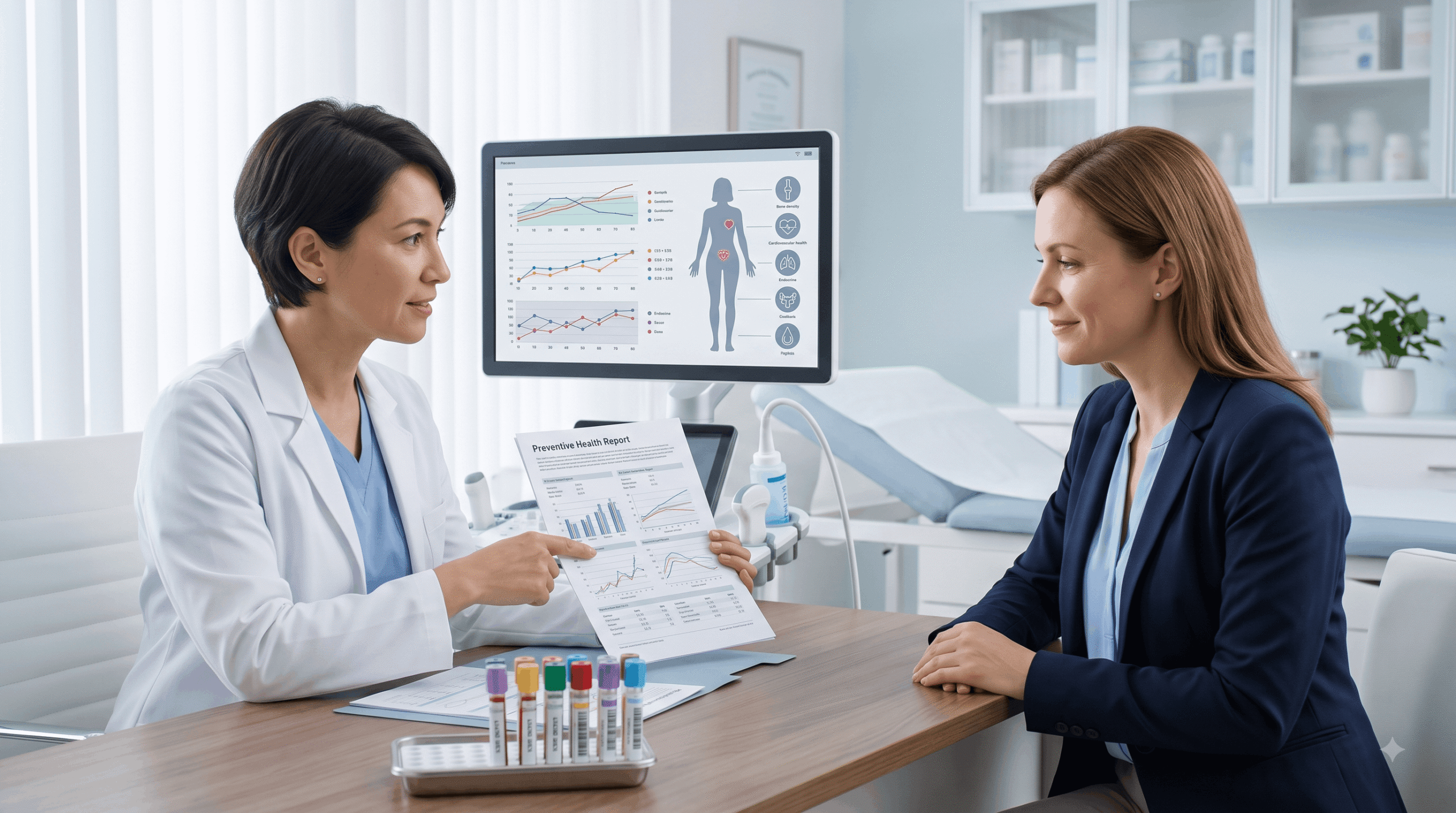
Women are encouraged to get in touch with a medical expert before symptoms start showing up and find out the cause of the problem. Signs such as ongoing tiredness, weight fluctuations, irregular periods, pain in the pelvic region, changes in breasts, persistent digestive disturbances, or repetitive inflammations should be checked with a doctor.
It’s crucial to keep in mind that even if a person feels good, preventive health assessments are one of the best ways to identify a disease early on.
Good health comes not from hoping to be in good shape without taking any preventive steps but from making a myriad of healthy decisions in everyday life. Preventive healthcare screening is one of the effective ways to gain knowledge about one’s body and warning signs of potential health problems.
Whether it involves routine blood tests, ultrasound examinations, mammography, or other recommended investigations, preventive screening is an important part of lifelong health management. Aarna Diagnostic Centre supports preventive healthcare with advanced diagnostic services and experienced professionals, helping women receive accurate evaluations and timely information that contributes to healthier lives.
Convenient Tests right at your Doorstep!

86, Kargi – Patel Nagar Bypass, near Palm City, Adarsh Vihar, Brahmanwala, Dehradun, Uttarakhand 248001
1, Maharani Bagh Lane, Ballupur Chowk, Ashirwad Enclave, Ballupur, Dehradun, Uttarakhand 248001
1, Chakrata Rd, near Rohan Motors, Selakui, Central Hope Town, Uttarakhand 248011
F-7, Haridwar Road Nehru Colony Dehradun, Uttarakhand 248001 India
Leave a Comment