

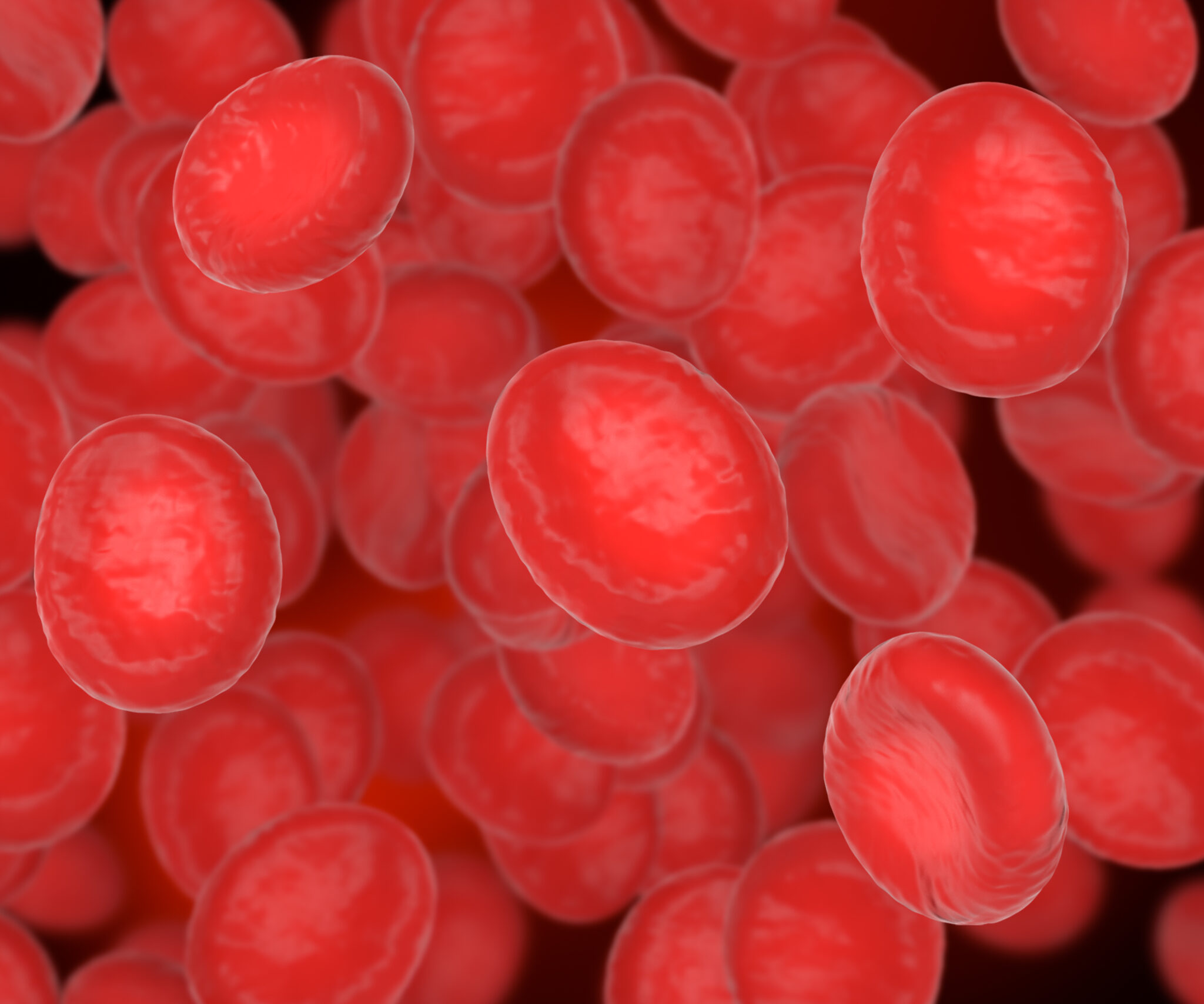
Increasing platelet count is at the top of our mind while battling a very bad dengue fever.. It is natural because one moment you’re healthy, and the next you’re struck with a high fever, muscle pain, and extreme fatigue. Dengue fever is seriously exhausting. However, increasing platelet count in dengue fever can be you saviour step!
One of the most concerning problems with dengue fever is the sudden decrease in platelet count. That’s also the single figure medical professionals monitor every day. It is definitely a quick check on the understanding your recovery in dengue fever. Hence, let us discuss what a patient or care-giver can do.
Before we dive into remedies and suggestions, let’s get one thing straight – no matter what you do, your platelet count in dengue fever is not going to skyrocket overnight. It is a gradual journey, and the aim is to help your body heal while steering away clear of complications like bleeding in dengue fever.
We are providing you with a checklist you need. a mix of medical care, plenty of rest, and good nutrition. To increase your platelet count, during dengue fever please;
Let’s go into each of these further in the following sections.
This is where people start googling their concerns like “platelet count needed for dengue”. They will also be wondering “can papaya leaves increase platelet ” and “coconut water benefits for dengue?” So, let’s set our fundamentals clear and straight.
Medical Advice First – No compromise on that
Just like you – increasing your platelet count is the primary concern of your doctor as well. If you are affected with high fever, doctors strictly monitor the platelet count needed for dengue fever, to support your journey back to good health. It is because if those numbers drop below a critical threshold, your condition can worsen to a panicking level.
The normal platelet count in a person is usually between 20,000 and 50,000. If the blood level falls from this range, it can cause critical issues. One such complications is the internal bleeding in dengue. If that happens, a hospital stay becomes necessary, and sometimes a platelet transfusion is also required. So, it is highly important not to rely just on home remedies for dengue fever alone; if your doctor informs you that there’s a risk.
Typically, in a serious dengue case, your doctor may suggest the following.
There are certain home remedies for dengue fever that are generally nutrient-rich and anti-inflammatory practices. These can definitely speed up your recovery from dengue fever but they shouldn’t be used in place of medical care. These natural remedies typically include papaya leaf juice, goat milk, pomegranate and beetroot juice, wheatgrass juice and Giloy juice. The names have been listed for your immediate curiosity. We will discuss them in detail as we explore the topic further. However, always keep in mind that subsiding the dengue symptoms do not mean that you are back to normal health.
Platelets have an alternative name. So, “what is platelet” can also be answered as, they are thrombocytes. This alternative name is derived because there are these tiny, disc-shaped cells which are found in our blood that have a crucial responsibility in our body- these are what called as platelets. They help with clotting. Whenever you get a cut or a wound from accidents, it is the platelets that come into action. This is what platelets do to your body. They preserve your precious blood by rushing to the injury site and forming a plug. This action stops your bleeding. In the cases of very low levels of platelet count, your body struggles to stop both internal and external bleeding. This can be quite risky. One such condition where the platelet levels going down drastically is the disease called dengue. External or internal wounds can make this condition unanticipatedly critical. This is why often the dengue fever is a dangerous health issue.
Here are some immediate overviews to know what the platelets do for us.
The normal level of platelet count is roughly between 1.5 lakh and 4.5 lakh platelets per microliter of blood. This is a range that is recommended. However, the normal range of platelet count in dengue can have a varying scale, according to your symptoms. It occasionally becomes a value less than 50,000 or, in extreme situations, even less than 20,000. Hence, it is very important to consider every step that can increase your plate counts.
So, do you know what physical effects the dengue fever has on you? When the platelet count falls, the following signs or issues can take place.
• Red or purple spots called petechiae may be visible on the skin.
• It gets easier to wound, open hurt and bruise; even minor bumps leave marks.
• Blood seen in the urine, bleeding gums, or nosebleeds are possible in some cases of dengue fever.
• Because of cell damage and reduced volume of the blood, you can feel weak or extremely exhausted.
Hence, maintaining a steady platelet count during dengue is crucial for your sudden health and also long term recovery.
What causes dengue fever, as you know? You would have definitely heard the species name of this mosquito, Aedes mosquito! Isn’t it? Yes, dengue fever is first caused by Aedes mosquito as a carrier of the infection. You have heard this probably while discussing about dengue.
Dengue is caused by the dengue virus. It is transmitted among human being by the species called, Aedes mosquitoes. However, apart from this transmission by mosquitoes, the real issue arises due to the consequences this virus can cause inside our body.
When any virus enters our bloodstream, it activates our immune system. This activated immune system goes into releasing various chemicals and inflammatory substances to fight against these viruses. This should beneficial to us, right? Yes, ideally, but here’s what happens in dengue fever. During this process, our bone marrows often get damaged. (Bone marrows is the site where platelets are generated)
Here are the primary reasons why platelet levels decrease in dengue.
This explains why physicians strictly advise you to increase your platelet counts and they regularly monitor your blood health, In some days from the onset of the infection, particularly between days 4 and 7 of the dengue fever, the platelet count can fall unimaginably low.
We cannot specify the minimum platelet count for dengue. It varies based on your symptoms, how your body reacts, and any other health conditions you may have. However, here’s a broad reference range that a doctor typically refer. This can help you in your recovery journey to increase the platelet count.
With some people, it is observed that the platelet count is dropping sharply. It can occur even without showing major symptoms of dengue fever. It is also possible in some dengue cases that an internal bleeding starts unexpectedly early. That’s why doctors take an overall approach. They would consider factors like whether there is an increase in platelet count, any signs of bleeding, vital signs, hydration levels, and liver health. It is very crucial to realize that simply increasing platelet counts is not the only objective. It is important to manage fluid balance, liver function, fever, and blood pressure when treating dengue.
A recovery phase is observed to begin when the most severe symptoms of dengue fever have settled down and the fever gets to lessen. At this stage, the essential step taken by your doctor is to increase the platelet count. While medical professionals manage the critical aspects, traditional remedies can provide some level of support. But it is must be through safe, natural remedies for dengue fever that you follow these steps. Please also keep in your doctor informed.
Let’s explore some natural solutions that can aid in platelet recovery, particularly when used with under professional administration.
Papaya leaf extract is well-known for increasing platelets. It is frequently suggested by health care experts in addition to standard care. It is abundant in substances that may promote bone marrow activity, such as flavonoids and enzymes. But on a daily basis, only a maximum of two tablespoons of papaya juice be taken for dengue fever.
Giloy is referred to as the “root of immortality” in Ayurveda. It boosts the natural processes of blood purification, lowers inflammation, and also boosts the immune system. It can be consumed as a juice or even in decoction form. For your convenience in increasing platelete count, giloy also comes in powder or tablet form.
Goat milk is considered to include selenium and other minerals that may help with increasing platelet count in dengue fever, majorly due to the synthesis process. This is why it seen as a common home cure in some areas. Many people utilize it during recovery, despite the fact that it is not medically proved.
Both beetroot and carrot are packed with antioxidants, iron, and folate. All of these are natural remedies essential for platelet count as they help in forming the red blood cells. Drinking a glass of beetroot-carrot juice every day can really help boost your energy and support cell production.
Wheatgrass is loaded with chlorophyll. This is quite similar to hemoglobin, making it great for detoxing and regenerating cells. Also, it’s rich in vitamins A, C, and E, all of which are crucial for maintaining healthy blood.
Amla is a great source Vitamin C easily available for our households. Amla helps boost your immune system and protects platelets from oxidative stress. Just like your favourite method, you can enjoy it raw, as juice, or even in its dried form. This is a popular preference of our Indian households to increase platelet count naturally.
Just a reminder: while these remedies can help in recovery, they shouldn’t replace clinical and medical treatment. Always keep your doctor in the loop!
Accelerating your recovery process is more important than simply feeding your stomach when you have dengue. This must be your priority. Do you know what to do if platelet count is low? Your body is now weak, and your immunity is compromised. It can have long-term consequences on your health if you do not take the measures to increase platelet count, seriously. Therefore, we need nutrient-dense, easily digested foods that support in cell restoration and regaining health.
In order to boost the platelet level in dengue fever and encourage healing, the following foods may be consumed both during and after dengue:
Spinach, fenugreek, and moringa leaves are high in Vitamin K, folate, and iron. These are important for blood clotting and regeneration.
It’s rich in iron and antioxidants, helps with fatigue, and supports red cell and platelet growth.
A good source of Vitamin A and zinc, which promote healthy cell production.
Oranges, mosambi, and lemons are full of Vitamin C. As you know, these are helpful to boost immunity and also helps in better absorption of iron.
It hydrates the body and contains essential electrolytes like potassium and magnesium. Please do not mix it with any other ingredients.
Both are loaded with nutrients that support blood health and immunity. Kiwi, in particular, is known for boosting white blood cells too.
Moong dal, eggs (if tolerated), and lean meats provide protein to rebuild tissues and maintain strength. This is an important natural care needed for dengue fever recovery.
Beetroot, dates, jaggery, and dark leafy vegetables have important role in helping us with blood regeneration.
You must avoid spicy, oily, or heavily processed foods. Your digestive system would be already stressed with dengue symptoms and heavy foods can worsen nausea or indigestion.
Stick to soft, home-cooked meals and eat small portions often throughout the day.
Staying hydrated isn’t just a nice-to-have when dealing with dengue. It is actually a vital part of recovering from dengue. It is both a defense as well as a coping mechanism. Why is that so?
Well, dengue can lead to plasma leakage, which means your blood can lose fluid to the surrounding tissues. This can result in thicker blood, platelet level falling down, and even be shocking if it’s not handled correctly. So, how can you ensure your body stays well-hydrated while also helping your platelets bounce back?
ORS, or oral rehydration solution
The earliest and best approach. ORS helps restore lost salts and fluids. Continue drinking it throughout the day, particularly if you experience loose movements or vomiting.
Coconut Water
This is a solution of natural electrolytes. In addition to delivering salt, potassium, and magnesium—all essential for maintaining fluid balance—it hydrates.
Water from Barley
This can aid in the removal of pollutants and soothes the stomach. It also has a slight cooling effect and is easy to digest.
Teas Made with Herbs
Lightly prepared ginger or tulsi tea might help you stay hydrated and reduce nausea. Steer clear of caffeinated tea and strong decoctions.
Fresh Fruit Juices
Juices from mosambi, orange, watermelon, or pomegranate keep you hydrated and provide antioxidants, vitamins, and glucose.
Infused Water
Plain water can sometimes feel boring when you’re unwell. Try infusing water with mint, cucumber, or lemon for added freshness.
Start your journey of recovery, and thriving back to your complete potential. All these tips are great steps to increase your platelet count.
Typically, platelet count begins to recover around day 6 to 8 of the illness. For most people, it normalizes within 10 to 14 days. However, recovery time can vary based on age, immune response, and overall health. You must always prioritize to increase platelet counts if you are affected with dengue.
While moderate doses of papaya leaf juice are generally regarded as healthy, pregnant women and anyone with papaya allergies should avoid it. Before beginning natural treatment for dengue fever, always get medical advice, particularly if the patient is elderly or a youngster.
Avoid fried foods, processed items, spicy curries, and sugary beverages. These can irritate your stomach and delay recovery. Also avoid alcohol, caffeine, and red meat during the acute phase.
Platelet transfusion is needed usually when, or if the patient is experiencing active bleeding, breathlessness, or low blood pressure. It is also suggested if the platelet count is dropping below 20,000. Your doctor will recommend the treatment based on your symptoms of dengue and the regular blood reports.
Convenient Tests right at your Doorstep!


86, Kargi – Patel Nagar Bypass, near Palm City, Adarsh Vihar, Brahmanwala, Dehradun, Uttarakhand 248001
1, Maharani Bagh Lane, Ballupur Chowk, Ashirwad Enclave, Ballupur, Dehradun, Uttarakhand 248001
1, Chakrata Rd, near Rohan Motors, Selakui, Central Hope Town, Uttarakhand 248011
F-7, Haridwar Road Nehru Colony Dehradun, Uttarakhand 248001 India
Leave a Comment