

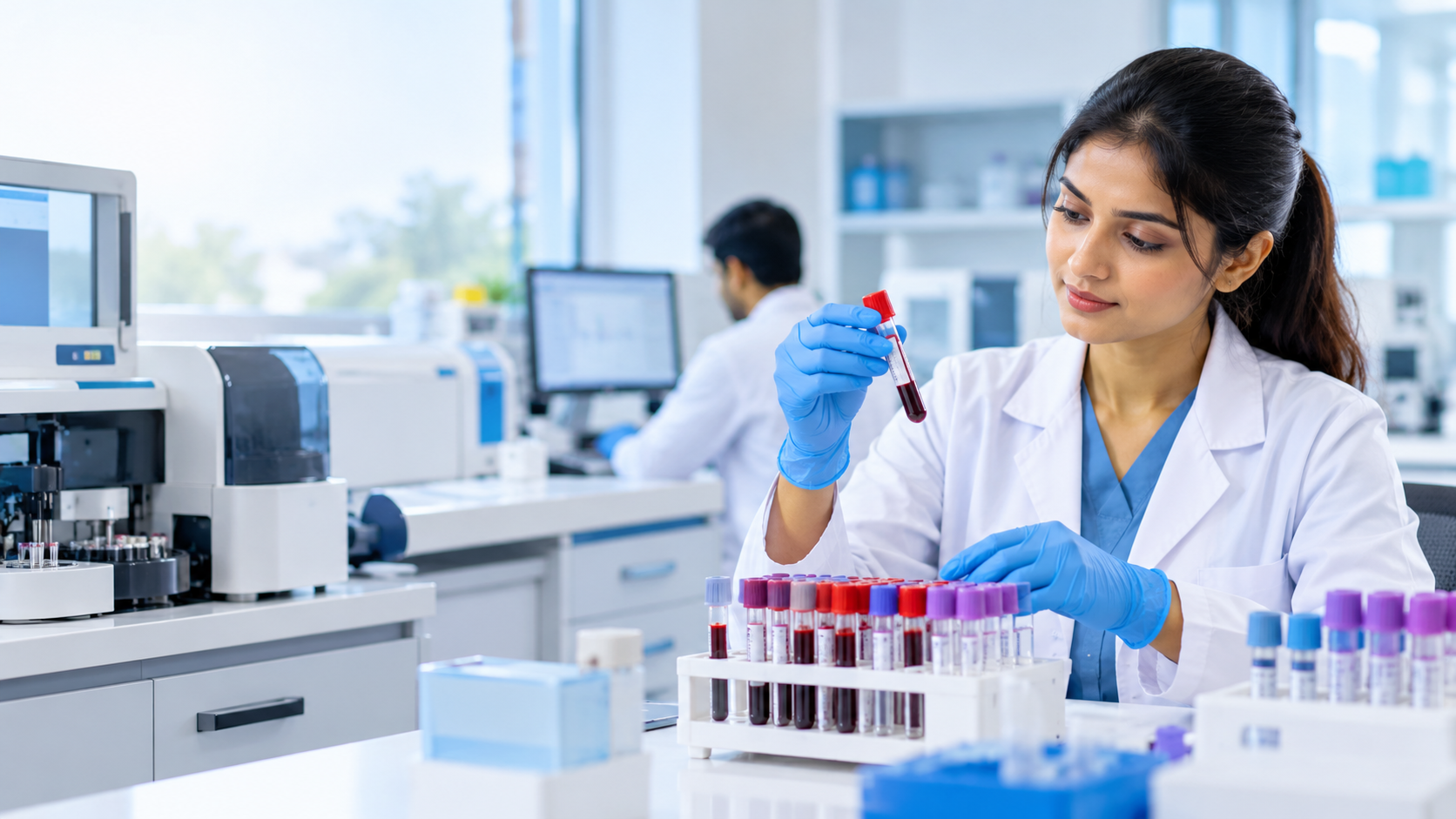
The use of full body checkups is widespread for checking general health and finding out risk factors while there are no common blood tests that are suitable for everybody. The tests a person will require depend on age and sex, medical history and family medical history, personal lifestyle and medication intake, as well as any diseases that may be found.
When thinking of a full body checkup in Dehradun, it is necessary to learn about the most popular blood tests and main reasons for using them.
A CBC (Complete Blood Count) is a blood test that measures a variety of components in the blood including the levels of red blood cells, white blood cells, hemoglobin and platelets.
The information from CBC can be beneficial in diagnosing certain conditions such as anemia, infections or other blood disorders. An example is low levels of hemoglobin indicating possible anemia, while changes in counts of white blood cells could indicate infections or other events in the body.
Blood glucose tests help determine how the body controls its glucose levels. The most common tests are fasting blood glucose and the HbA1c test.
Fasting glucose indicates blood sugar levels at a single moment in time while HbA1c shows an average blood glucose level likely in the last two to three months. These tests are commonly used to diagnose or monitor diabetes and prediabetes.
In the test of lipid profile, the fats in the body are measured and the following lipid contents are included:
The results of the test shall be examined together with other factors like blood pressure, age, diabetes, smoking etc. to determine and evaluate the risk of cardiovascular diseases.

LFT (liver function test) is a collection of blood tests that can include tests such as ALT, AST, ALP, bilirubin, albumin, and other tests. This set of tests can suggest information regarding liver damage, bile flow, and certain parameters of liver function. Abnormal results may happen due to a number of causes that may include fatty liver disease, infections, alcohol-related liver injury, and the effect of a medical drug.
An abnormal result of LFT test does not mean a particular diagnosis related to the liver.
The assessment of kidney function generally involves measuring both serum creatinine and the estimated glomerular filtration rate (eGFR). The assessment of kidney function may also include the measurement of urea and electrolytes.
These tests provide information on the efficacy of kidneys in the filtration of waste and maintenance of chemicals in the body. Individuals suffering from diabetes or hypertension may require routine assessment of kidney function since these conditions can affect kidney health.
Thyroid profiles generally measure TSH and could also evaluate free T4 and, under certain circumstances, T3.
Thyroid tests may aid in identifying the underlying causes for symptoms such as long-lasting fatigue, unexpected weight gain or loss, alterations in heart rate, intolerance to heat or cold, changes in menstrual cycle, etc.
Thyroid testing may not be necessary for all healthy people unless risk factors are present.
Vitamin B12 plays a vital role in making blood cells and functioning of the nervous system. Testing is usually conducted on people showing symptoms related to the deficiency and being at risk for deficiency.
Testing for Vitamin D levels is useful in uncovering low levels of Vitamin D, but screening each individual irrespective of his/her symptoms or risk factors is not recommended in all cases.
In case of suspected anaemia or iron deficiency, certain tests such as determining serum ferritin and serum iron and transferrin levels may be suggested.
Ferritin helps to establish how much iron is stored in the body. Iron studies may be useful for diagnosing the condition if the haemoglobin is low, or if any of the symptoms including fatigue or weakness require further investigation.
In fact, it is important to note that a really big preventive health package is likely to include tests that provide few benefits to an individual who has no symptoms and is not at risk. Generally speaking, unnecessary testing may sometimes result in finding borderline or incidental abnormalities that may lead to anxiety and new tests. Therefore, a useful full body checkup in Dehradun has to be based on the health profile of an individual rather than simply choosing the most expensive package with the most tests.
Blood tests are just one aspect of preventive healthcare. Blood pressure, lifestyle, weight, vaccination history, and age-related screenings should also be considered.
Aarna Diagnostic Centre is a laboratory in Dehradun that offers various tests. The selection and interpretation of preventive blood tests should ideally be guided by an appropriate healthcare professional.
A number of blood tests are carried out during a medical check-up and these include CBC, blood glucose levels or HbA1c, lipid profile, Kidney Function Test and Liver Function Tests. If needed, one can also opt for tests for thyroid hormonal level, vitamin levels, and iron levels. Best combination of tests for a patient will depend on their health requirements rather than some common list.
No. Different tests will be required depending on someone's age, medical history, symptoms, medications and lifestyle.
These tests present different results. While glucose test measures blood sugar level at the particular moment, HbA1c shows values for two or three months back.
Not really, unless specialists think there is a possibility of their deficiency depending on particular symptoms, dietary habits or medical history.
No. Blood tests will not identify all health problems. Preventive healthcare often considers physical examination too.
There is no answer that works for everybody. It will vary according to one's age and health condition and should be discussed with a physician.
Convenient Tests right at your Doorstep!

86, Kargi – Patel Nagar Bypass, near Palm City, Adarsh Vihar, Brahmanwala, Dehradun, Uttarakhand 248001
1, Maharani Bagh Lane, Ballupur Chowk, Ashirwad Enclave, Ballupur, Dehradun, Uttarakhand 248001
1, Chakrata Rd, near Rohan Motors, Selakui, Central Hope Town, Uttarakhand 248011
F-7, Haridwar Road Nehru Colony Dehradun, Uttarakhand 248001 India
Leave a Comment