



Common Sinus Problems Detected by a CT Scan
Sinus problems are extremely common in India. Whether it’s constant nasal congestion, facial pain, headaches that never end or difficulty breathing, many people suffer for years without knowing the real cause. Most patients rely on steam, nasal drops or antibiotics repeatedly, but the relief is often temporary. Hmm, yes, it’s frustrating when symptoms keep returning again and again.
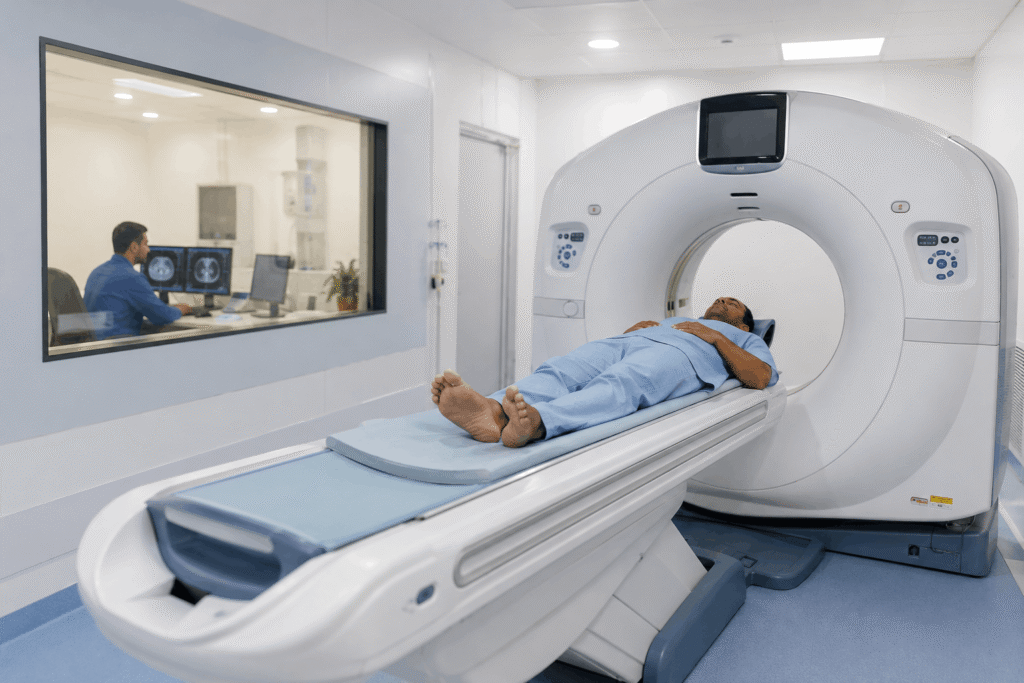
Difference Between CT Scan With Contrast and Without Contrast
If your doctor suggested a CT scan, you might have seen or heard two terms that can sound confusing at first: CT scan with contrast and CT scan without contrast. Both types use advanced X-ray technology to form images of the inside of the body in great detail, but the use of a special contrast dye during the exam is the principal difference between the two.

10 Essential Blood Tests You Should Do Annually After Turning 30
When we reach our 30s, our thoughts and priorities start to shift. Careers gain stability, families gain size, and generally life begins to weight health more towards the top of our thinking. And while this change can be viewed positively, this is also the time many are likely to begin ignoring their routine health check-ups thinking that feeling good somehow equals being healthy.
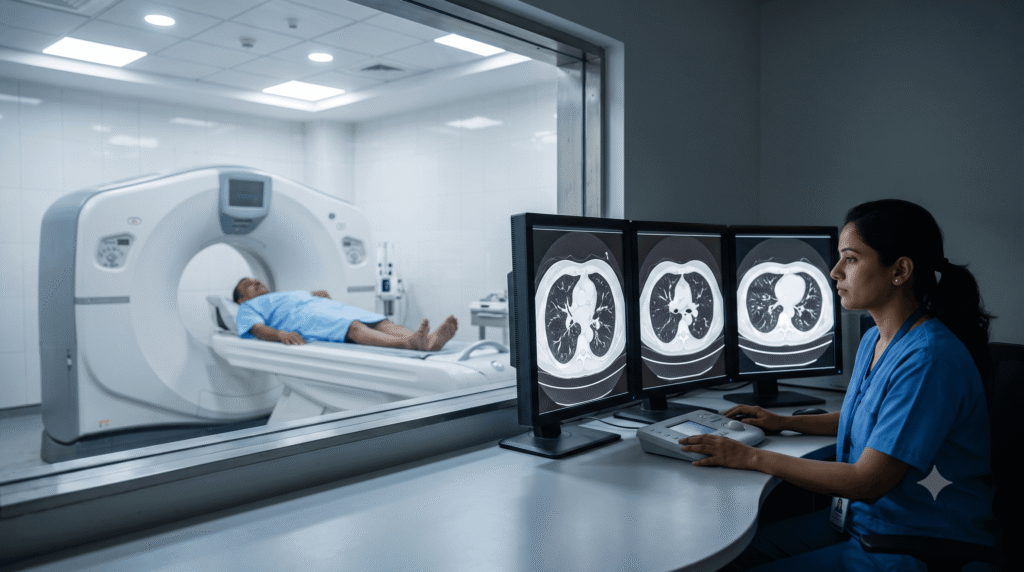
Why HRCT Is Essential for Post-COVID Lung Evaluation
Even though the world has slowly moved forward from the intense waves of COVID-19, many people continue to experience lingering health issues, especially those related to the lungs. Hmm, yes, if you’ve recovered from COVID but still feel breathless, tired, or unable to return to your old stamina, you’re definitely not alone. Across India, thousands of patients are facing what doctors now call Post-COVID Lung Complications or Long COVID.

Common Medical Conditions Diagnosed Through Mammography
Breast health has become an increasing concern for women around the world, particularly with the rise in both breast cancer and benign breast conditions. For the early detection of the abnormalities in the breast tissue, mammography is used and this technique is most reliable and commonly endorsed imaging method. In this technique low doses of X-rays are used to assess the breast tissue and detect changes that might be not be detectable in the physical examination.

How Blood Tests Help Detect Diabetes, Cholesterol, and Liver Diseases Early
Most of us visit a doctor only when something starts bothering us, fatigue, body pain, digestion problems, or unusual weakness. But what if your body is giving signals long before things get serious? That’s where blood tests become life-saving tools. They quietly reveal what’s happening inside your body, even when you feel “perfectly fine.”

How to Increase Hemoglobin? Causes & Quick Ways to Increase
If you have been diagnosed with Anaemia, you must immediately figure out how to increase hemoglobin. Low levels of Hemoglobin can affect you with fatigue, low functional capacity, and malnourishment. It is important to maintain the normal level of Haemoglobin in your body to help you lead an active and productive life. Identifying the causes of low Hemoglobin and considering possible ways to increase your Hb level is a great investment in your body. So, why don’t we just start it today? Let’s explore how to increase Hemoglobin naturally and with support.

What is Normal HBA1C By Age and How to Control it
Diabetes and high level of sugar has become an everyday discussion for the Indian households. You might be wondering that how the blood tests have changed from prescribing for a “blood sugar test” to HBA1C. Is this worth worrying? What is HBA1C test? Is it complicated? Let’s discuss more about the test and its linkages with blood sugar in this article.
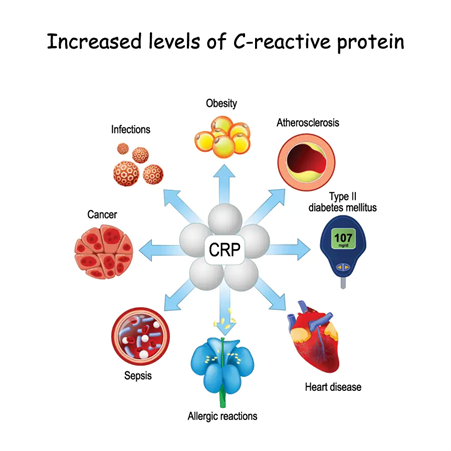
How to Reduce C-Reactive Protein in 2026: Treatment and Management
Inflammation is our natural and necessary response to injury or infection. But sadly, it also comes with some negative consequences. Particularly, chronic inflammations after a period can silently fuel diseases ranging from heart conditions to autoimmune disorders. All these responses are steered by a molecule that we are not very familiar with. It is called C-Reactive Protein, or CRP.